
Exploring the psychological effects of gambling on decision-making processes
The Nature of Gambling Addiction
Gambling addiction is often characterized by a compulsion to engage in betting activities despite negative consequences. This compulsion can significantly distort an individual’s decision-making processes. When a person is caught in the grip of gambling, their ability to weigh options rationally diminishes, as emotional and psychological factors overshadow logical reasoning. These alterations can lead individuals to make increasingly risky bets, driven by the excitement of potential rewards rather than a clear understanding of their situation. If you’re looking to explore the best options, consider the best online australian casinos for an authentic experience.

The psychological landscape of gambling addiction also reveals how decision-making can be influenced by cognitive biases. Gamblers often exhibit what is known as the “illusion of control,” where they believe they can influence the outcome of random events. This false sense of control can lead to overconfidence in one’s betting decisions, ultimately exacerbating the addiction and deepening the cycle of poor choices.
The Role of Emotion in Gambling Choices
Emotions play a pivotal role in gambling behaviors, often leading to impulsive decision-making. The thrill of winning can trigger a surge of dopamine, creating a euphoric feeling that encourages continued gambling. This emotional high can cloud judgment and impair the ability to make sound decisions, resulting in an irrational pursuit of losses. Consequently, gamblers may chase their losses in a desperate attempt to regain what they have lost, further compounding their emotional distress and financial troubles. A deeper understanding of these choices is essential for anyone navigating this landscape.
Moreover, the emotional rollercoaster associated with gambling can lead to mood swings and heightened anxiety. Such fluctuations can significantly affect a gambler’s decision-making processes, pushing them toward hasty actions without considering the long-term consequences. Understanding the intricate relationship between emotion and decision-making can provide valuable insights into why individuals often struggle with gambling-related issues.
Cognitive Dissonance and Rationalization
Cognitive dissonance arises when an individual holds contradictory beliefs, often leading to rationalization of their decisions. In gambling, this can manifest as justifying continued play despite mounting losses. Gamblers may convince themselves that their luck will turn or that they possess special skills that give them an advantage. This type of rationalization serves to alleviate the psychological discomfort associated with their losses, further entrenching their gambling behavior.
The impact of cognitive dissonance can extend beyond the gambling experience itself, affecting personal relationships and financial stability. As individuals rationalize their gambling decisions, they may neglect responsibilities and strain their connections with friends and family, creating a ripple effect that complicates their decision-making further. Recognizing these patterns is essential for fostering healthier approaches to gambling.
The Influence of Environment on Gambling Decisions
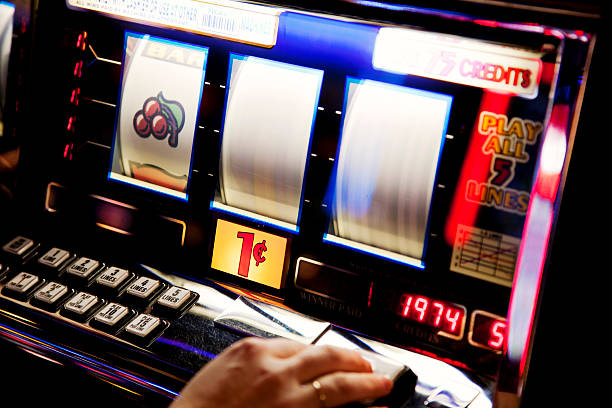
The environment in which gambling takes place can significantly shape decision-making processes. Casinos and online gambling platforms are often designed to create an immersive experience that enhances the thrill of betting. Elements such as bright lights, sounds, and the presence of other gamblers can create a stimulating atmosphere that impacts an individual’s ability to think clearly. This environment can lead to impulsive decisions, as the sensory overload makes it difficult to focus on the potential consequences of one’s actions.
Additionally, social influences can play a crucial role in gambling decisions. Peer pressure and the desire for social acceptance can lead individuals to engage in betting activities they might otherwise avoid. This social component can heighten the emotional stakes involved in gambling, further impairing rational decision-making. Understanding these environmental factors is vital for addressing the psychological aspects of gambling and fostering healthier habits.
Enhancing Your Gambling Experience Responsibly
At Australian Online Pokies, we are committed to providing resources that promote responsible gambling practices. Our platform not only reviews various online casinos and pokie games but also offers insights into making informed gambling choices. By understanding the psychological effects of gambling, players can make better decisions that align with their personal values and financial situations.
We believe that a balanced approach to gambling is essential for enhancing the overall experience. Engaging with our community of enthusiasts and exploring our expert evaluations can empower individuals to enjoy gambling responsibly while minimizing the risks associated with addiction. By fostering awareness of the psychological factors involved, we aim to create a safer and more enjoyable gaming environment for all players.